
The influence of social media on the coverage of financial crises and its economic repercussions
Understanding Social Media’s Influence on Financial Crises
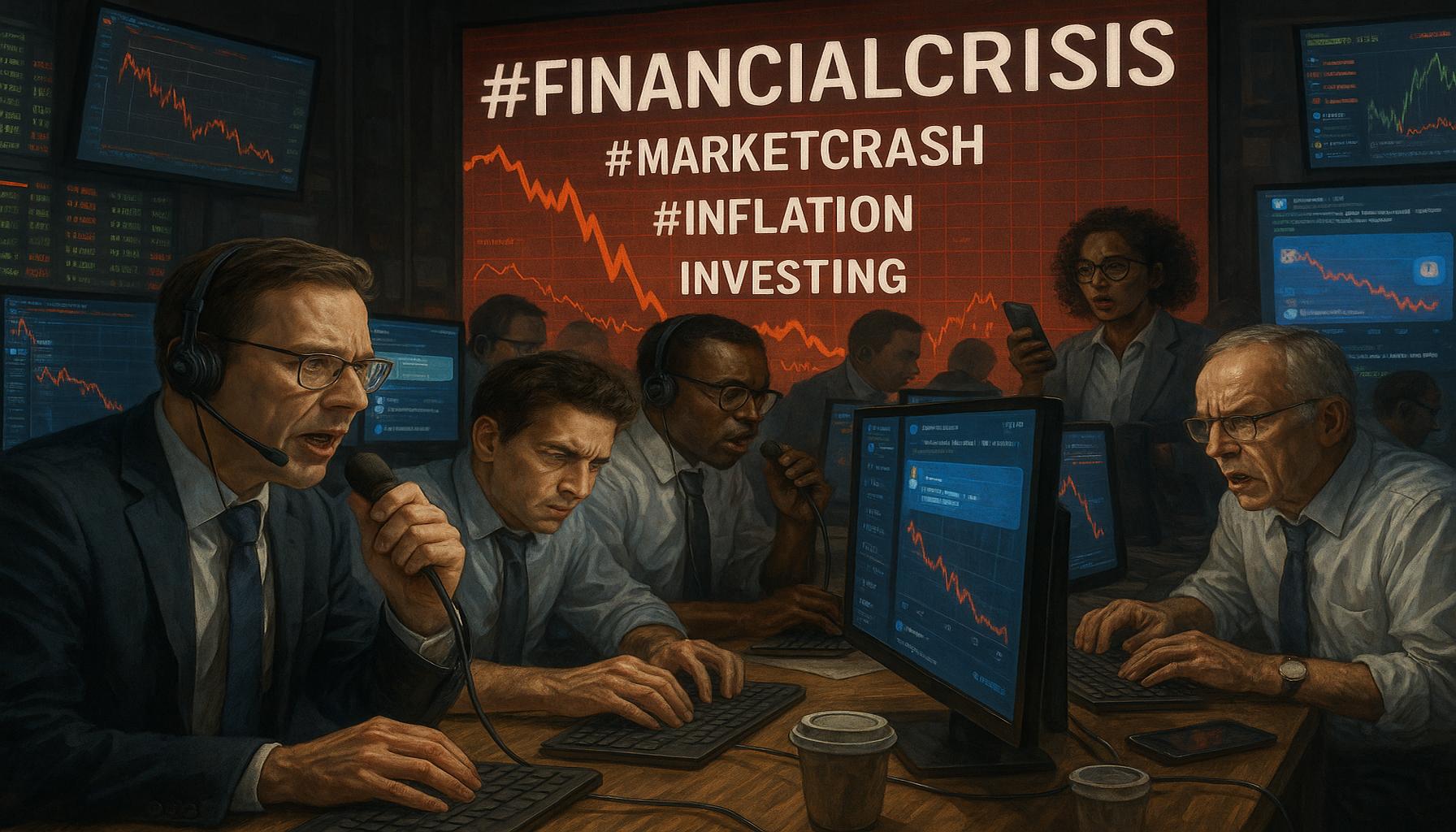
In the current landscape of communication, social media plays a pivotal role in shaping our understanding of financial crises. The rapid pace of news sharing on platforms such as Twitter, Facebook, and Instagram allows information to disseminate in real time, often more quickly than through traditional media outlets. This immediacy not only molds public perception but can also have profound implications for economic outcomes.
One of the most significant aspects of this phenomenon is instant information sharing. For example, during the 2008 financial crisis, Twitter became a vital tool for distributing news about bank failures and stock market drops almost as they happened. While newspapers and television news could take hours to report on events, social media allowed users to receive updates in seconds, leading to rapid reactions in financial markets.
- Instant Information Sharing: The speed at which news spreads can create urgency, prompting investors to buy or sell stocks based on trending topics rather than solid financial analysis.
- Amplified Public Opinion: Social media users can share their thoughts, creating a collective sentiment that can sway public opinion and even influence major market movements. The recent GameStop stock surge is a prime example, where social media platforms like Reddit enabled retail investors to band together, increasing the stock’s price dramatically within days.
- Access to Diverse Perspectives: Users on social media platforms can contribute from various backgrounds, enriching discussions around financial topics. This wide range of viewpoints includes not only expert analysis but also the experiences of everyday investors, allowing for a more comprehensive understanding of market dynamics.
These features inform the public and can lead to market volatility. As sentiments shift online—often influenced by the latest tweet or trending hashtag—stock prices can react swiftly. For instance, when significant economic news breaks, such as unemployment numbers or fiscal policies, these platforms become hotbeds for discussion and speculation. Investors, potentially making decisions based on social media chatter, can inadvertently contribute to sudden swings in market stability.
Understanding the connection between social media and financial crises is crucial for grasping their economic repercussions. The conversations taking place on these platforms not only shape immediate outcomes but can also alter long-term economic trends. As we explore this topic further, we will uncover how digital communication is reshaping financial narratives and influencing economic realities. Through this lens, we can appreciate both the opportunities and challenges that emerge from the confluence of social media and finance.
DISCOVER MORE: Click here to delve deeper
The Dynamics of Information Flow on Social Media
The landscape of financial information has been drastically altered by the rise of social media, where the flow of information is not only rapid but also highly interactive. Traditional media outlets, while still relevant, cannot match the real-time conversations that unfold on platforms like Twitter and Facebook. In financial crises, this immediacy shapes the way individuals, institutions, and entire economies respond to unfolding events. Understanding how this acceleration of information impacts economic behavior is crucial for both individual investors and policymakers.
One of the primary dynamics at play is the notion of feedback loops. When financial news breaks, social media users provide their interpretations and opinions almost instantaneously. Governments, corporations, and investors monitor these online sentiments closely, often adjusting their strategies based on the collective mood observed in digital discussions. This phenomenon can lead to significant market movements, as stocks may rise or fall based on burgeoning social media narratives rather than traditional financial indicators.
- Market Reactions to Sentiment: For instance, in March 2020, as COVID-19 triggered economic uncertainty, social media platforms saw an explosion in conversations related to market outlook. Tweets, posts, and hashtags created a narrative that accelerated fears and doubts, leading to volatile trading days where prices were driven more by sentiment than by economic fundamentals.
- Shifts in Investment Behavior: The viral nature of financial memes or trends can draw attention to specific stocks or trends. For example, following the discussions on TikTok regarding “meme stocks,” there was a notable surge in trading volumes for companies like AMC and GameStop—situations that may have seemed trivial to traditional analysts but had real-world economic repercussions.
- The Role of Influencers: Social media influencers with substantial followings have also begun to shape financial discussions. Their endorsements or cautions can sway public opinion and encourage retail investors to act, demonstrating how influential voices can shift market trends based purely on personal perspectives and trends.
As social media facilitates the immediate exchange of ideas and information, it creates an environment where speculation can thrive. The lack of regulatory oversight in these platforms allows misinformation to propagate, leading to irrational market behaviors where individuals might act on emotions rather than informed analyses. This reactionary trading environment can amplify price swings and contribute to the instability of financial markets.
In examining social media’s role during financial crises, we also must consider the potential benefits. The democratization of financial information allows a broader segment of the population to engage in discussions that were previously reserved for experts. This increased access can foster greater awareness of financial issues, prompting more individuals to take interest in their personal finances and investment strategies.
In summary, the interplay between social media and financial crises creates a complex tapestry of information exchange that can significantly influence economic outcomes. The speed of information dissemination, combined with amplified public sentiment and diverse perspectives, underscores the importance of understanding how these online platforms affect financial behaviors and market responses during times of economic turmoil.
DISCOVER MORE: Click here for essential tips
The Psychological Impact of Social Media on Market Behavior
As social media continues to evolve, its psychological impact on market behavior during financial crises has become increasingly pronounced. One major factor at play is the concept of herd behavior, where individuals, driven by social media narratives and groupthink, make investment decisions that mirror those of their peers rather than relying on their own analyses or the advice of financial experts. This phenomenon can exacerbate market volatility, as large swathes of investors may collectively panic or exuberantly buy into trends, sometimes leading to dramatic price fluctuations that aren’t supported by underlying economic realities.
One striking example of this can be seen in the 2021 initial public offering (IPO) of cryptocurrency trading platform Coinbase. Buzz on social media platforms created a massive surge of excitement, with countless users promoting the investment potential of cryptocurrencies all over Twitter and Reddit. In this spirit of collective enthusiasm, many retail investors flocked to Coinbase’s stock, resulting in an initial price surge that later led to significant corrections. Such dynamics highlight how the overwhelming positivity or negativity present on social media can lead to rash financial decisions based more on emotional impulses than informed financial judgment.
The Role of Misinformation
The rapid spread of information on social media is often a double-edged sword. While it enables quick dissemination, it also opens the floodgates for misinformation. Rumors or unfounded reports can circulate rapidly, leading to unreliable narratives that shape economic behavior in real time. For instance, during the early stages of the COVID-19 pandemic, misinformation regarding the stability of certain companies—prompted by viral tweets—resulted in widespread sell-offs, prompting significant declines in stock prices based on fear rather than fact.
- Impact on Consumer Confidence: Misinformation can severely dent consumer confidence. When individuals observe trending negative news about a financial institution, even if untrue, they may rush to withdraw funds or sell stocks, precipitating liquidity crises that can echo throughout entire industries.
- Policy Repercussions: Policymakers also feel the aftershocks of misinformation spreading on social media. Quick public reactions can put pressure on regulators to take their plans off the shelf and react with policies designed to quell public fears, which may not always be data-driven.
Moreover, the nuances of language and the framing of financial situations in social media contexts can distort perception. For example, a single tweet from a high-profile influencer can sway market perceptions by merely phrasing a company’s financial struggles as “a signal of impending doom” rather than “a temporary setback.” This shift in narrative can lead to disproportionate market reactions that do not accurately reflect economic realities.
Social Media’s Educational Role
Despite its challenges, social media also serves as an educational platform for many investors looking to enhance their financial literacy. Numerous channels and influencers provide valuable insights, tutorials, and analyses to demystify complex financial concepts. Initiatives that promote financial wellness can empower users with knowledge, helping them engage more meaningfully in market discussions. By fostering a community of learning, social media can play a significant role in promoting better financial decision-making among the general population, thus contributing positively during financial crises.
As we consider the many facets of social media’s influence during economic upheavals, it becomes evident that its effects extend well beyond mere information sharing. Both the irrationalities spawned by misinformation and the educational opportunities fostered on these platforms present layers of complexity that warrant deeper examination for investors and policymakers alike.
DISCOVER MORE: Click here to dive deeper
Conclusion
In summary, the influence of social media on the coverage of financial crises presents a complex interplay of rapid information dissemination, psychological behavior, and educational opportunities. On one hand, social media serves as a powerful platform for real-time information sharing, enabling investors to stay updated on market movements and emerging financial trends. However, this speed comes with the risk of misinformation, which can lead to detrimental reactions in the market, further amplifying economic instability.
Furthermore, the phenomenon of herd behavior illustrates how emotional impulses can take precedence over rational decision-making, especially during times of financial uncertainty. The consequences of such behaviors can lead to market volatility that reflects panic rather than economic fundamentals. Policymakers must recognize this dynamic, as public sentiment shaped by social media can prompt them to act swiftly, often without complete data, potentially compounding the issues at hand.
Yet, amidst these challenges, social media also holds the potential for positive outcomes. It is increasingly becoming a tool for education and community engagement, enabling investors to improve their financial literacy and make more informed choices. This dual nature of social media — both as a source of risk and an avenue for empowerment — underscores the importance of critical thinking and responsibility among users.
As we continue to navigate the evolving financial landscape, both investors and policymakers must embrace the complexity of social media’s role, striving for a balanced approach that acknowledges its benefits while mitigating its risks. In doing so, we can foster a more resilient economic environment that not only withstands crises but also thrives in the face of uncertainty.
Related posts:
Tips for Using Financial News Apps for Market Insights
The role of cryptocurrencies in global economic news and their implications
The Rise of AI Startups and Their Impact on the Economy
The impact of automation on the labor market and economy
How to Reduce Credit Card Debt While Building Savings
The Economic Impact of Supply Chain Disruptions on Tech Stocks

Beatriz Johnson is a seasoned financial analyst and writer with a passion for simplifying the complexities of economics and finance. With over a decade of experience in the industry, she specializes in topics like personal finance, investment strategies, and global economic trends. Through her work on Dicas e Curiosidades, Beatriz empowers readers to make informed financial decisions and stay ahead in the ever-changing economic landscape.