
The Impact of 5G Technology on Local Cultural Practices
Understanding the Impact of 5G Technology
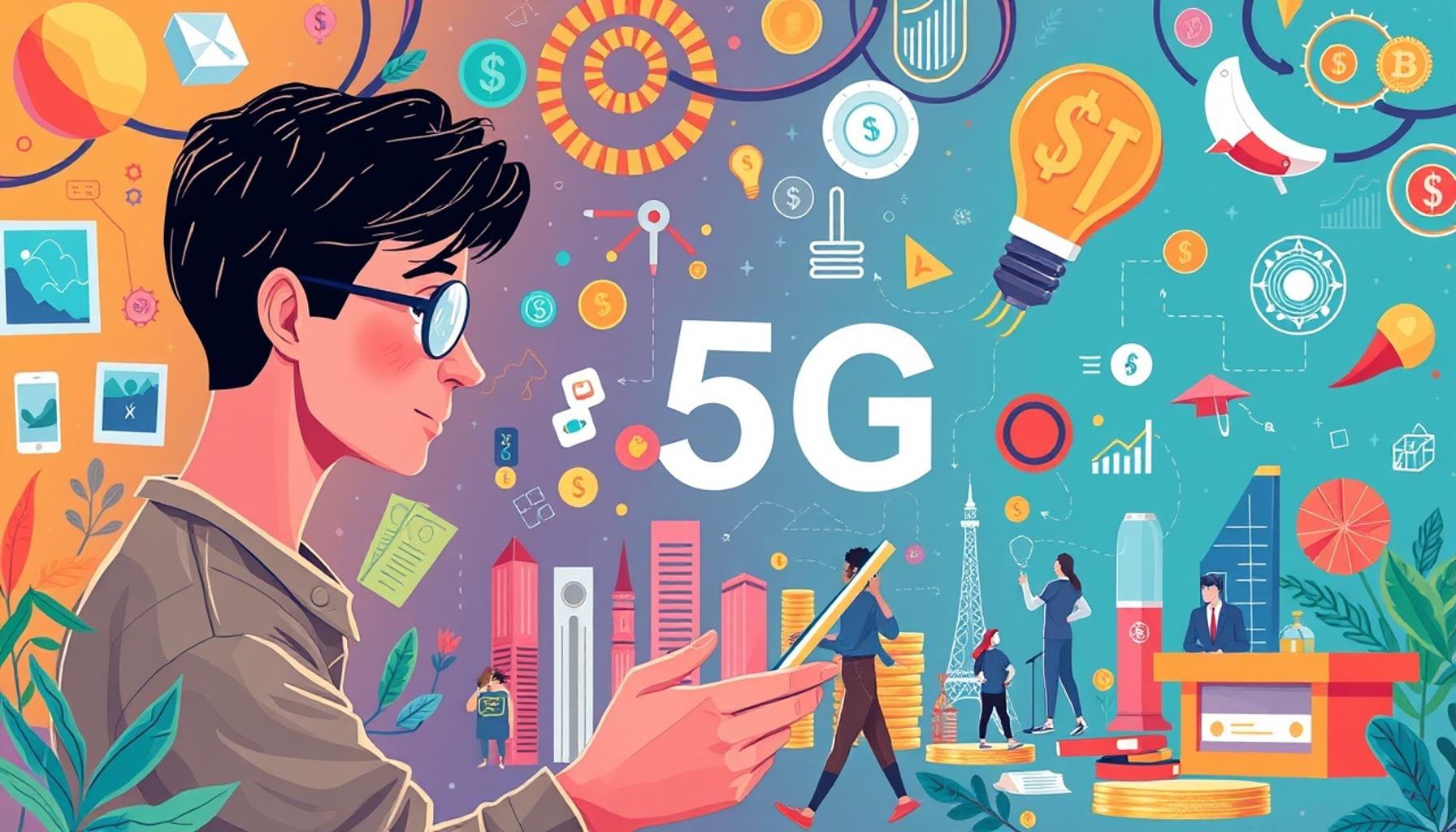
The introduction of 5G technology is a groundbreaking step forward in telecommunications, offering incredibly fast internet speeds and low latency. This advancement opens up new avenues for enhancing local cultures, fundamentally changing how communities connect with each other and the world around them. The impact of 5G extends beyond mere communication; it revolutionizes cultural practices and allows for innovative forms of artistic expression and community engagement.
Enhanced Connectivity and Participation
One of the most significant benefits of 5G technology is its ability to vastly improve connectivity, which can lead directly to increased participation in local events. For example, with 5G, cities can host live-streamed events that allow remote audiences to join in cultural celebrations from anywhere in the country. Imagine a cultural festival in New Orleans that not only attracts locals but also engages viewers from across the nation through live virtual tours. Such opportunities can foster a sense of community, even among those who cannot physically attend.
Promoting Local Art Forms
5G provides local artists and creators with access to digital platforms that can showcase and promote their unique art forms. Consider an indie filmmaker in Austin who utilizes 5G to upload high-definition short films to streaming services. With faster upload speeds, they can share their work with a wider audience much quicker than before, potentially garnering interest from film festivals or buyers nationwide.
Virtual Cultural Exchanges
The capacity for virtual cultural exchanges grows immensely with the rollout of 5G. For instance, students in a school in California could participate in a live debate with peers in Tokyo, discussing cultural differences and similarities, all in real-time. This not only enhances their understanding of others but also broadens their perspectives, forming more globally-minded individuals.
Shifting Cultural Practices
As communities adapt to these technological advancements, cultural practices are likely to evolve. For instance, the rise of virtual festivals allows local celebrations, such as Pow Wows or parades, to be broadcast online, making them accessible to those who can’t attend. This potential for increased visibility can help elevate the significance of these cultural practices and attract interest from distant audiences.
Furthermore, the use of augmented and virtual reality (AR/VR) can bring historical sites and local heritage to life. Imagine walking through a historic district in Philadelphia while using AR to see how the area looked centuries ago, providing an engaging educational experience enriched by technology.
Collaboration and Global Reach
Finally, 5G technology fosters collaboration between local artists and global audiences. Artists can share their work through various online platforms, finding new collaborators or fans. This merging of local creativity with a global stage not only amplifies voices but also brings fresh ideas back into the community, creating a dynamic exchange of cultural expression.
In conclusion, as we delve into the multifaceted ways that 5G technology influences local cultural practices across the United States, it is crucial to consider both the positive and potential negative implications. While opportunities for growth and exposure abound, we must also remain vigilant in preserving the unique identities that define our communities. By analyzing specific examples and case studies, we can examine the profound effects of this revolutionary technology on community dynamics and cultural identities.
DISCOVER MORE: Click here to find out how to save money at local fairs and markets</a
The Transformational Effects of 5G on Local Experiences
The integration of 5G technology is set to redefine not just how we interact with technology, but how we engage in our cultural practices locally. As communities strive to enhance their cultural narratives and expressions, the impact of fast, reliable connectivity can be clearly observed in various areas.
Accessibility to Cultural Experiences
With the immense bandwidth provided by 5G, cultural institutions like museums, theaters, and galleries can enhance visitor engagement. For example, a museum in Chicago could implement immersive virtual tours, enabling individuals from different states to experience exhibitions remotely. This opens up cultural education to a wider audience, allowing people who might be unable to travel the opportunity to explore and appreciate local heritage.
Moreover, the accessibility afforded by 5G technology means that local cultural events can be documented and streamed live. This not only promotes inclusivity but also allows communities to maintain their cultural ties in an increasingly digital landscape. In a globalized world, local practices can attract international attention, shaping a broader understanding and appreciation of diverse artistic expressions.
Educational Opportunities and Community Engagement
5G technology enables the enhancement of educational programming within communities. Local schools, for instance, can utilize high-speed internet to connect with experts around the world for workshops, lectures, or hands-on interactive sessions. Here are some examples of how educational opportunities can flourish:
- Collaborative Projects: Schools and community centers can partner with other institutions to engage in joint cultural-research projects that explore local histories and artistic practices.
- Cultural Workshops: Local artisans, musicians, and performers can lead online workshops, sharing their skills with a broader audience while preserving traditional practices.
- Interactive Learning: Students can participate in live-streamed cultural events from different regions, facilitating discussions about cultural appreciation and diversity.
This shift towards enhanced educational practices encourages younger generations to appreciate and engage with their cultural environments actively. As the local community’s cultural views become intertwined with global perspectives, a richer tapestry of understanding emerges, leading to a more connected society.
Revitalizing Traditional Practices
In addition to educational effects, 5G technology can play a significant role in revitalizing traditional local practices. For example, indigenous tribes might use augmented reality applications to tell stories associated with their culture, visually blending past traditions with modern technology. This fusion not only preserves the essence of local lore but also invites participation from younger members of the community.
Furthermore, as local craft fairs begin to adopt more technological features, artisans can showcase their work through augmented reality, allowing potential buyers to interact with products in unique ways. This approach can elevate traditional crafts, allowing artisans greater reach, leading to potential economic benefits for the community while maintaining their cultural roots.
As we see, the introduction of 5G technology significantly shapes how local cultural practices are experienced, shared, and maintained. It develops a landscape where traditional values can coexist with modern advancements, fostering a vibrant and inclusive cultural community.
DISCOVER MORE: Click here to learn about cybersecurity’s impact on finance
Cultural Identity in the Era of 5G
The emergence of 5G technology has the potential to redefine cultural identity and community cohesion in profound ways. As connectivity expands, local cultural practices begin to take on new forms, allowing communities to reinforce their identities while sharing them on global platforms.
Enhancing Cultural Storytelling
One of the most compelling aspects of 5G technology is its ability to enhance storytelling through various mediums. For instance, local artists and filmmakers can create high-definition content that captures the vibrancy of their community’s cultural narratives. Communities can leverage platforms like YouTube or Vimeo to share visually captivating stories that are representative of local customs and traditions. By utilizing 5G, these stories can reach vast audiences almost instantaneously, thereby enhancing cultural visibility.
Furthermore, local storytelling entities can incorporate interactive elements—such as digital maps and augmented reality experiences—that allow users to engage with cultural narratives in immersive ways. For example, a local historical society could develop an app that guides residents and visitors through historical landmarks while providing audio-visual context on the area’s cultural significance. In doing so, the community not only affirms its identity but also invites external engagement and appreciation.
The Rise of Virtual Communities
As 5G connectivity fosters interconnectedness, virtual communities are becoming increasingly prominent. Local cultural groups can utilize social media and dedicated online platforms to form virtual spaces where individuals with shared interests can converge, regardless of geographical barriers. This gives rise to opportunities for cultural exchange, collaboration, and shared learning experiences.
- Online Cultural Platforms: Websites and applications dedicated to local cultures can provide forums for discussions, art showcases, and live performances. This creates a sense of belonging and encourages dialogue about identity and culture.
- Global Collaborations: Local artists can collaborate with creators around the world, leading to an exchange of ideas that enrich local practices while introducing innovative elements into traditional forms.
- Community Forums: Online community discussions can be bolstered by real-time video chats, allowing residents to engage in deeper conversations about their cultural heritage while sharing their experiences with others.
This fusion of local and virtual allows cultural practices to evolve and reach wider audiences. Online communities can amplify local traditions, making them part of the global cultural dialogue, thus fostering appreciation and preserving relevancy.
Economic Growth through Cultural Tourism
While 5G technology enhances cultural practices, it also offers significant economic benefits to local communities through cultural tourism. As cultural experiences are showcased online, localities can attract visitors eager to engage with authentic experiences. Enhanced accessibility through digital platforms empowers communities to market themselves efficiently. Festivals, local cuisine, and workshops become appealing travel destinations as potential tourists can witness them virtually before making travel plans.
For example, a local music festival in New Orleans could stream live performances, giving audiences a taste of the vibrant music scene. People who enjoy the festival virtually may decide to experience it in person, revitalizing local economies and promoting cultural appreciation. Additionally, businesses in the vicinity benefit from the increased tourist footfall, further intertwining local culture with economic development.
The advancements brought by 5G technology reshape the landscape of local cultural practices, defining them through enhanced storytelling, virtual communities, and cultural tourism. As these elements intertwine, communities have the opportunity to not only preserve but also celebrate and share their cultural identities on both local and global stages.
DISCOVER MORE: Click here to learn about the latest cybersecurity trends</a
Conclusion
In summary, the advent of 5G technology is not just a leap forward in terms of connectivity; it is a significant catalyst for the transformation of local cultural practices. By enhancing storytelling capabilities, fostering virtual communities, and promoting cultural tourism, 5G serves as a bridge linking local identities to the global stage. This increased accessibility allows communities to share their rich cultural narratives in a more engaging and immersive manner, making their traditions resonate with wider audiences than ever before.
Moreover, the rise of virtual platforms enables cultural groups to thrive beyond geographical limitations, creating spaces for collaboration and exchange. These interactions enrich local customs and facilitate dynamic dialogues about identity, thus reaffirming cultural relevance in an increasingly interconnected world. Furthermore, as cultural experiences become more visible online, they can drive economic growth through cultural tourism, allowing local economies to flourish while preserving their unique identities.
As we adapt to the exciting possibilities that 5G technology unfolds, it is essential to recognize its dual potential: while it promises to promote global engagement, it also carries the responsibility of safeguarding local cultural heritages. Communities should embrace these advancements, ensuring that their cultural practices thrive and evolve, effectively striking a balance between tradition and modernity. In doing so, they will not only celebrate their distinct identities but also contribute to a richer, more diverse global cultural tapestry.

Linda Carter
Linda Carter is a writer and expert known for producing clear, engaging, and easy-to-understand content. With extensive experience in guiding people as they pursue their goals, she shares valuable insights and practical advice. Her mission is to help readers make informed choices and achieve meaningful progress.