
How the Use of Credit Cards in Financial Education Can Transform Your Financial Life in the Long Term
Using credit cards wisely can significantly enhance financial education, building a strong credit history and empowering responsible spending habits. By navigating credit effectively, individuals can unlock rewards, enhance financial literacy, and prepare for emergencies, laying a foundation for long-term financial success and stability.

The Benefits and Disadvantages of Using Credit Cards to Build a Credit History
Credit cards can effectively build a credit history, improving your credit score and providing convenience and rewards. However, the risks include high-interest rates, overspending, and potential damage to your credit score if mishandled. Understanding these benefits and disadvantages is crucial for responsible credit management.

Credit Cards and Security: How to Protect Your Financial Information
In a digital age, safeguarding your financial information is essential. This guide outlines common threats to credit card security, such as phishing scams and data breaches, while offering proactive measures—like using strong passwords and mobile wallets—to protect against fraud and identity theft effectively. Stay informed to ensure your financial safety.

How to Choose the Ideal Credit Card for Your Lifestyle and Financial Needs
Choosing the right credit card involves understanding your lifestyle and financial needs. By analyzing spending patterns, evaluating rewards structures, and comparing annual fees and interest rates, you can select a card that maximizes benefits and aligns with your financial goals, enhancing your overall financial health.

Analysis of Regional Financial News and Its Impact on Local Economies
Local financial news is crucial for understanding economic dynamics in communities. It provides insights into job market trends, investment opportunities, and consumer spending patterns, which directly impact local economies. By staying informed, residents and businesses can make proactive decisions, fostering resilience and growth in their economic environment.

Impact of interest rates on investment decisions in 2023
Interest rates significantly affect investment decisions in 2023, influencing borrowing costs, consumer spending, and market dynamics. Investors are adjusting strategies through dollar-cost averaging, focusing on dividend stocks, and exploring alternative investments to navigate this fluctuating landscape. Staying informed is crucial for maximizing opportunities in today’s economic environment.
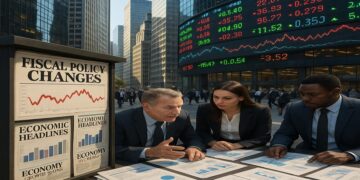
How Changes in Fiscal Policies are Shaping Economic Headlines
Fiscal policy is a crucial factor in shaping global economic climates, influencing economic growth, job creation, consumer confidence, and income inequality. Government spending and taxation adjustments significantly impact daily lives and long-term prosperity, highlighting the importance of understanding fiscal policy in navigating economic headlines and discussions effectively.
Market Trends: How Inflation is Shaping Financial News
Inflation significantly influences financial news, altering consumer behavior, investment strategies, and wage dynamics. As rising prices reshape spending priorities, sectors like essential goods and technology adapt rapidly. Understanding these market trends is crucial for informed personal and investment decisions, ensuring resilience in the evolving economic landscape.

The effect of technology on the dissemination of financial news and the formation of public opinion
The rapid advancement of technology has transformed financial news dissemination, with social media and mobile apps providing immediate access to information. This evolution shapes public opinion, enabling individual investors to actively engage in markets. However, it raises concerns about misinformation and the need for critical assessment of financial sources.

The role of cryptocurrencies in global economic news and their implications
Cryptocurrencies are increasingly impacting global economic news, influencing investment strategies and monetary policies. Their distinct characteristics, like decentralization and volatility, fuel discussions on financial inclusion, regulatory challenges, and innovative payment systems. Understanding their implications is vital for navigating opportunities and risks in the evolving digital economy.