
Financial Cybersecurity: Challenges and Solutions in the Digital Age
Financial institutions face significant cybersecurity challenges in the digital age, including data breaches, phishing, and ransomware. Effective solutions like advanced encryption, two-factor authentication, and continuous employee training are essential. Understanding regulatory compliance and fostering a cybersecurity culture will strengthen defenses and protect sensitive financial information.

The influence of social media on the coverage of financial crises and its economic repercussions
The article explores how social media shapes perceptions during financial crises through rapid information sharing and emotional responses. This influence can lead to market volatility, herd behavior, and misinformation, but also foster financial literacy among users. Understanding this dynamic is crucial for navigating economic repercussions in today's digital age.

Credit Cards with Rewards: Are They Worth It? A Guide to Maximizing Benefits
Rewards credit cards can enhance your spending experience by offering points, cash back, or travel benefits. However, it is essential to evaluate annual fees, interest rates, and expiration policies. By aligning card choices with your spending habits, you can maximize benefits while maintaining financial control.

The traps of credit: How to avoid predatory loans
This article highlights the dangers of predatory lending, emphasizing high-interest rates, hidden fees, and aggressive collection tactics. It offers strategies to avoid these traps, such as researching lenders, reading loan agreements, and exploring alternative financing options. Empower yourself with knowledge to protect your financial future and navigate credit wisely.

Investing in Emerging Sectors: Opportunities in the Post-Pandemic Stock Market
Investing in emerging sectors offers significant opportunities in the post-pandemic stock market. Key areas include healthcare technology, green energy, and remote work solutions. By understanding market dynamics and adopting a long-term strategy, investors can capitalize on these trends while managing risks related to volatility and regulatory changes.

How to Apply for Capital One Venture X Credit Card Easily
Experience unparalleled travel benefits with the Capital One Venture X credit card: earn up to 10x miles on travel, enjoy $300 annual travel credits, and access over 1,300 lounges worldwide. Enjoy no foreign transaction fees and smooth travel with credits for Global Entry or TSA PreCheck.
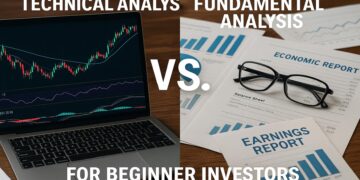
Technical Analysis vs. Fundamental Analysis: Which Strategy is Better for Beginner Investors?
This article compares technical analysis and fundamental analysis, discussing their unique strengths and weaknesses for beginner investors. Technical analysis focuses on price trends and market movements, ideal for short-term trading, while fundamental analysis emphasizes a company's intrinsic value for long-term investment strategies. Understanding both can enhance investment decisions.

The Role of Fintechs in the Revolution of the Stock Market: Accessibility and Innovation for Investors
Fintech is revolutionizing the stock market by enhancing accessibility and innovation for investors. Through cost reduction, user-friendly platforms, and educational resources, fintech empowers retail investors. Features like robo-advisors, commission-free trading, and real-time data foster informed decision-making and democratize financial engagement for a broader audience.

The Future of Technology Stocks: Trends and Challenges in a Transforming World
The technology sector is crucial for economic growth, driving innovation and presenting investment opportunities. Key trends include advancements in artificial intelligence, consumer behavior shifts, and increasing regulatory scrutiny. Investors must navigate these challenges while capitalizing on emerging technologies for a successful investment strategy in a transforming market.

Impact of Interest Rates on the Stock Market: What to Expect in 2024
As interest rates rise in 2024, their impact on the stock market will be significant. Investors must understand how these changes affect borrowing costs, investor sentiment, and sector performance. Adapting strategies is crucial for navigating volatility and capitalizing on opportunities in this evolving financial landscape.