Menu

How to Create an Efficient Personal Budget for Everyday Life in New Zealand

Creating a personal budget in New Zealand is essential for financial stability amid rising living costs. This guide explores effective budgeting strategies, including tracking income and expenses, setting savings goals, and monitoring progress, empowering individuals to manage their finances and plan for a secure future.

How to Take Advantage of Offers and Promotions to Maximize Your Budget in New Zealand

Discover essential strategies to maximize your budget in New Zealand by leveraging offers and promotions. Stay informed about discounts, utilize price comparison tools, and join loyalty programs. By being proactive and tracking your spending, you can significantly enhance your financial health while enjoying a better shopping experience.

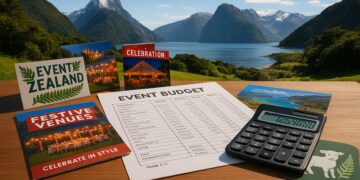
Tips for Planning a Budget for Events and Festivities in New Zealand

Planning a budget for events and festivities in New Zealand involves strategic allocation of funds, consideration of hidden costs, and leveraging local sponsorship opportunities. By establishing a clear budget framework, prioritizing expenses, and utilizing cost-effective venues, you can create memorable gatherings without overspending.

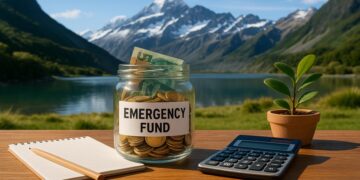
The Importance of an Emergency Fund: How to Build Yours in New Zealand

Establishing an emergency fund is crucial for financial stability. It provides a buffer against unexpected expenses like job loss or medical emergencies. In New Zealand, saving three to six months' worth of living costs, prioritizing savings, and utilizing financial tools can empower individuals to build their emergency fund confidently.

Practical Tips for Saving on Supermarket Shopping in New Zealand

Discover effective strategies for saving on supermarket shopping in New Zealand. By creating shopping lists, checking weekly specials, utilizing loyalty programs, and planning meals wisely, you can maximize your grocery budget. Embrace bulk buying, seasonal produce, and mindful habits to achieve significant savings while enjoying quality foods.

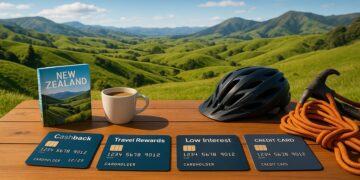
How to choose the ideal credit card for your lifestyle in New Zealand

Choosing the right credit card in New Zealand involves assessing your lifestyle, spending habits, and financial goals. Consider key factors such as rewards programs, fees, and interest rates to find a card that enhances your financial flexibility and suits your needs effectively.

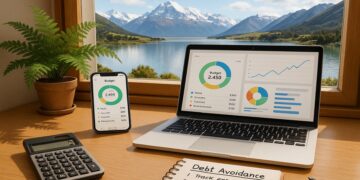
Tips to Avoid Debt and Manage Your Credit Card Effectively in New Zealand

This article offers practical strategies for managing credit cards effectively in New Zealand, focusing on avoiding debt. It emphasizes understanding interest rates, budgeting, making regular payments, and maintaining a solid emergency fund. Additionally, it encourages monitoring credit card use, leveraging rewards, and enhancing financial literacy for better financial health.

Impact of interest rates on credit card usage in New Zealand

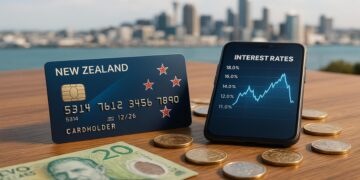
The article explores the impact of interest rates on credit card usage in New Zealand, highlighting how rising rates influence consumer spending, monthly payments, and debt management. Understanding these dynamics is essential for making informed financial decisions and adapting credit strategies to maintain financial health in changing economic conditions.

Credit cards and the building of a healthy credit history in New Zealand

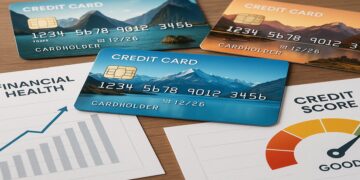
Understanding credit cards is essential for building a healthy credit history in New Zealand. Timely payments, low credit utilization, and smart use of rewards programs can enhance your financial opportunities. By leveraging these strategies, you can strengthen your credit profile and achieve your long-term financial goals.

Recent Trends in Payment Technology and Credit Cards in New Zealand

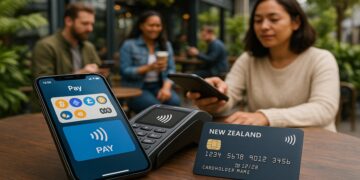
New Zealand's payment technology is rapidly evolving, showcasing trends like contactless payments, mobile wallets, and Buy Now, Pay Later services. As consumers prioritize speed and security, innovations such as cryptocurrencies, biometric authentication, and IoT integration are reshaping financial transactions, enhancing convenience and fostering competitiveness in the marketplace.